


Common Cultural Mistakes Travelers Make and How to Avoid Them
Exploring new destinations is exciting, but cultural differences can sometimes catch travelers off guard. What feels normal at home may be confusing or even rude elsewhere. A little preparation, curiosity, and flexibility can make all the difference. By understanding common cultural missteps and how to avoid them, you can travel with confidence and connect more meaningfully with the places you visit.
Below, we explore common cultural mistakes travelers make around the world and share practical tips to help you travel respectfully and comfortably.
Asia: Respect, Rituals, and Everyday Etiquette
Asia is incredibly diverse, but many travelers encounter similar cultural challenges across the region.
Tipping When It Is Not Expected: In countries like Japan and China, tipping is not customary and can feel awkward or unnecessary. Service is considered part of the job, and excellent hospitality is the standard. If a server politely declines a tip, it is not a rejection of gratitude. A sincere thank you or respectful behavior is the best way to show appreciation.
Shoes Indoors: In many Asian cultures, shoes are removed before entering homes, temples, and even some restaurants. Look for shoe racks near entrances and follow the lead of locals. Wearing easy slip-on shoes and clean socks will make this custom easier to follow.
Chopstick Etiquette: Chopsticks come with important cultural rules. Never stick them upright in a bowl of rice, as this resembles a funeral ritual. Avoid pointing with chopsticks or passing food directly from chopsticks to chopsticks. When finished, place them neatly on the holder or beside your plate.
Public Behavior and Modesty: Public displays of affection can be frowned upon in more conservative areas. Hugging, kissing, or loud emotional expressions may attract unwanted attention. Modest clothing is also important, especially at temples and rural sites. Cover shoulders and knees when appropriate and carry a lightweight scarf for flexibility.
Hands and Feet Awareness: In parts of South and Southeast Asia, the right hand is used for greetings, eating, and giving or receiving items. The left hand may be considered unclean. Feet are viewed as the lowest part of the body, so pointing your feet at people or sacred objects is disrespectful.
Europe: Small Details Matter

Europe’s cultural norms vary by country, but certain habits often stand out to locals.
Greetings and Language: Making an effort to greet people in the local language goes a long way. Saying hello when entering a shop or restaurant is expected in many countries. Speaking English loudly or assuming everyone understands it can come across as impolite.
Tipping Differences: Unlike the United States, many European countries include service charges in restaurant bills. Leaving a large tip may confuse staff. Rounding up or leaving a small amount for good service is usually sufficient. Always check your bill before tipping.
Dining Customs: Meals are meant to be enjoyed slowly. Asking for lots of ice, rushing through courses, or ordering a cappuccino late in the day in Italy may earn curious looks. Take your time, enjoy conversation, and follow local dining rhythms.
Dress and Public Volume: Europeans often dress neatly for daily activities, even when casual. Athletic wear and beach attire are best saved for appropriate settings. Keep voices low in public spaces, especially on public transportation and in residential areas.
Cultural Sensitivity: Be mindful of local history and social context. Certain jokes, phrases, or gestures may carry heavy meaning. Respect memorials, religious sites, and historic landmarks by dressing appropriately and following posted rules.
Middle East: Modesty and Hospitality Go Hand in Hand
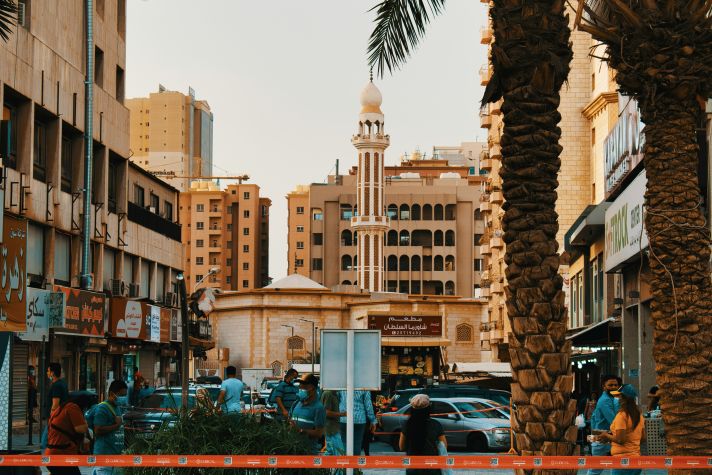
The Middle East offers rich culture and warm hospitality, but travelers should be especially mindful of local customs.
Dress Modestly: Conservative dress is expected in many areas. Loose-fitting clothing that covers shoulders and knees is recommended for both men and women. When visiting mosques or religious sites, women may need to cover their hair.
Public Affection: Public displays of affection are discouraged and may be restricted by law in some countries. Couples should keep interactions discreet in public spaces.
Right Hand Rule: Use your right hand when greeting, eating, or exchanging items. The left hand may be viewed as inappropriate for these interactions.
Gestures and Body Language: Some common Western gestures can be offensive. A thumbs-up or pointing with a finger may be interpreted differently. Avoid showing the soles of your feet when sitting and use open hand gestures when needed.
Ramadan Awareness: During Ramadan, eating or drinking in public during daylight hours may be prohibited or discouraged. Be respectful and enjoy the opportunity to experience evening meals and celebrations if invited.
Latin America: Warmth, Greetings, and Personal Connection
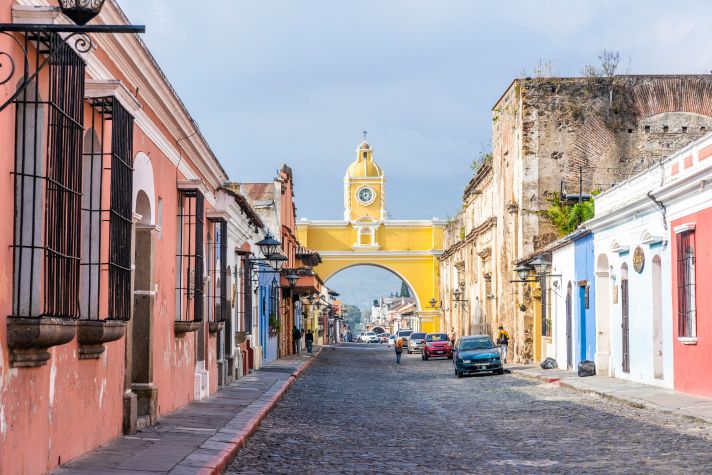
Latin America is known for its friendliness, but there are important social norms to keep in mind.
Always Greet: Saying hello when entering a space is expected. Ignoring greetings can seem rude. Take a moment to acknowledge people, even in brief interactions.
Personal Space and Physical Greetings: Cheek kisses, hugs, or close conversation may be common. Follow the lead of locals and respond warmly. Stepping back too quickly can feel distant.
Language Effort Matters: Learning basic phrases in Spanish or Portuguese shows respect. Be mindful of regional differences, especially in Brazil where Portuguese is spoken.
Timing and Flexibility: Social events often start later than scheduled. Being overly rigid with time can feel impatient. Relax and embrace a more flexible pace.
Gestures and Expressions: Hand signals can have different meanings. For example, the OK hand sign is offensive in Brazil. When unsure, use simple gestures and a friendly smile.
Universal Tips for Respectful Travel
No matter where you go, these guidelines can help you avoid cultural missteps.
- Do your research before you travel to understand basic customs and expectations.
- Learn a few local words like hello, please, and thank you.
- Observe and follow local behavior when unsure.
- Stay open-minded and patient when things feel unfamiliar.
- Consider guided tours or cruises if you want cultural insights with expert support.
Working with a Personal Travel Advisor can also help you feel prepared. Advisors can offer destination-specific tips, arrange culturally respectful experiences, and guide you through local customs so you can focus on enjoying your journey.
Travel With Curiosity and Respect
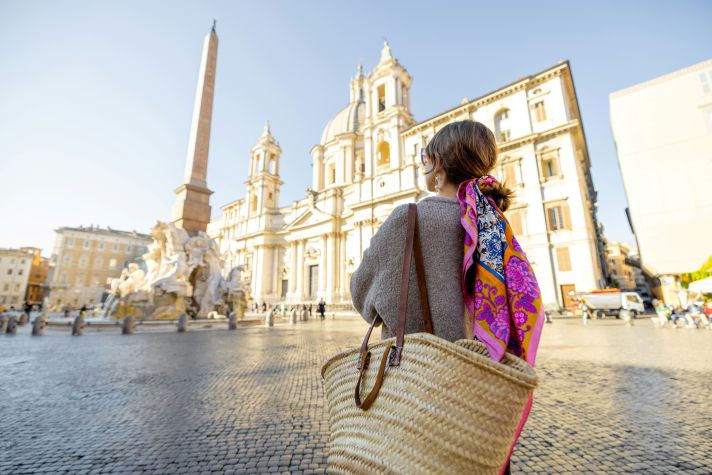
Cultural differences are not obstacles. They are opportunities to learn, connect, and grow. Mistakes may happen, and that is part of the travel experience. What matters most is your willingness to listen, adapt, and show respect.
By approaching each destination with curiosity and humility, you will not only avoid common cultural mistakes, but you will also create more meaningful connections and unforgettable memories. With thoughtful preparation and an open heart, the world becomes a welcoming place to explore.
Safe travels and happy adventures.
Traveling abroad? A Personal Travel Advisor can help you prepare with destination-specific cultural tips and insider insight. With the right guidance, you can explore respectfully, connect more deeply, and make every journey more meaningful.


