


Why Cultural Experiences Make Travel More Meaningful
Travel is much more than ticking famous sights off a list. The people you meet, the flavors you taste, the traditions you observe, and the stories you hear are what make a trip truly unforgettable. A journey filled with cultural encounters transforms a standard vacation into something deeper, more personal, and far more memorable. As travel expert Rick Steves says, “Travel is rich with learning opportunities, and the ultimate souvenir is a broader perspective.” Whether you are a solo traveler forming new friendships, a family introducing your children to new traditions, or a casual vacationer seeking richer experiences, embracing local culture can profoundly enhance your journey.
The Power of Culture in Travel
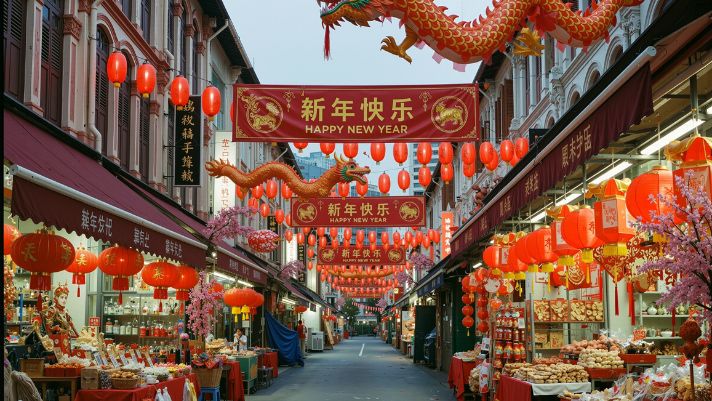
Cultural experiences can turn a simple trip into a life-changing adventure. Instead of just collecting photos of landmarks, travelers who engage with a destination’s heritage and daily life gain insight, empathy, and understanding. Cultural immersion helps people break down stereotypes, appreciate diverse viewpoints, create meaningful memories, and connect more deeply with the places they visit.
As Rick Steves explains, “Globetrotting destroys ethnocentricity. It helps you understand and appreciate different cultures.” In short, when you immerse yourself in local ways of life, travel becomes more than sightseeing. It becomes a personal growth experience that stays with you long after you have returned home.
Below, we explore a range of cultural experiences, from food and festivals to crafts and conversations, and show how each can make your next trip richer and more educational. You do not always have to cross the globe to find culture worth experiencing, but the deeper you go, the more the world opens up to you.
Taste the Culture: Cuisine and Culinary Adventures
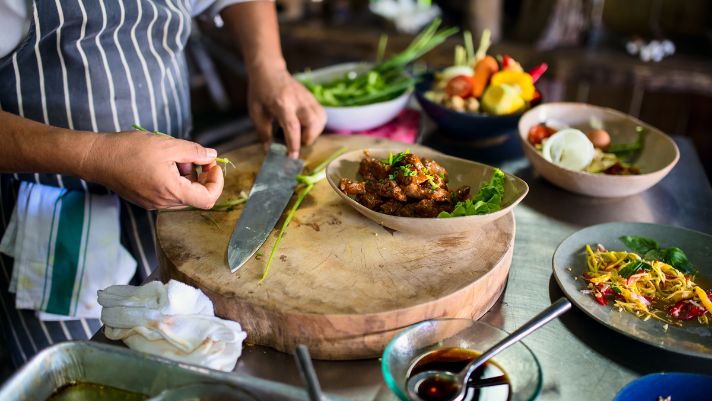
One of the most enjoyable ways to experience culture is through food. Cuisine is an expression of a region’s history and values, and sharing local dishes can instantly connect you with a place and its people. From savoring homemade pasta with a family in Tuscany to sampling street tacos in Mexico City, food breaks down barriers and sparks shared joy.
Food is a universal language. As travel writer Anthony Bourdain often showed, “You learn a lot about someone when you share a meal together.” Culinary cultural experiences can be as simple or as elaborate as you like. Internationally, you might take a cooking class in France before a market lunch or learn to make Pad Thai with a vendor in Bangkok. Festivals like the Lobsterfest in Belize bring people together through food and celebration.
You do not need to go abroad to enjoy meaningful foodie experiences. In your hometown, explore ethnic markets or family-run restaurants that transport you to another world. For families, trying new foods together can be educational and fun. For solo travelers, food tours and communal tables are great ways to meet locals and fellow travelers. Tasting local flavors makes your trip richer in both spirit and experience.
Join the Celebration: Festivals and Community Events
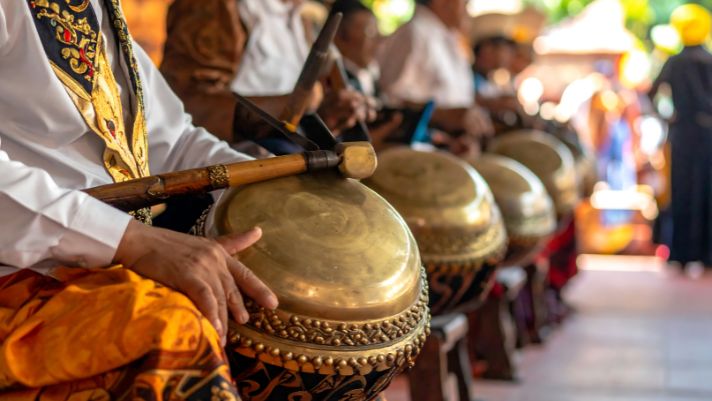
There is no better way to feel the heartbeat of a culture than by joining its celebrations. Festivals, holidays, and community events offer travelers a unique opportunity to see traditions come alive in music, dance, art, and joy. When you participate rather than just observe, you become part of the story.
Internationally, you might throw colorful powders during Holi in India, march in the vibrant Carnival parades of Brazil, or watch lanterns rise in the sky for Chinese New Year. Each festival reveals deep cultural values and community bonds. Attending Día de los Muertos in Mexico, for example, shows a beautiful and meaningful way of honoring ancestors. These moments cannot be captured fully in guidebooks. They must be experienced.
Domestic travel offers cultural celebrations too. In the United States, New Orleans’ Mardi Gras showcases history and music. Local events like Greek festivals, powwows, and Chinese New Year parades provide windows into cultural traditions in your own backyard. Better yet, take part. Start a conversation, learn a traditional dance, or try regional foods locals prepare with pride. These festival experiences often become the memories travelers hold on to long after they return home.
Living Traditions: Local Customs and Daily Life
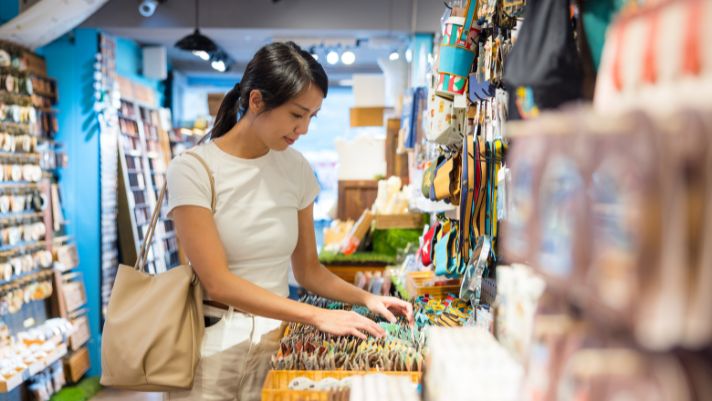
Culture lives in daily routines as much as it does in grand celebrations. Participating in everyday customs can be one of the most authentic travel experiences. It might mean slowing your pace to match the local rhythm or joining residents in their daily routine.
For example, in Japan you might participate in a traditional tea ceremony and learn the etiquette and history behind every movement. In rural France, you might make the daily bread run to the local bakery. In Egypt, you might enjoy an evening stroll with residents in a lively neighborhood. Simple traditions like Spain’s afternoon siesta or India’s chai ritual reveal a lot about local values like family time and hospitality.
Many destinations welcome travelers into everyday life. You could go fishing with Vietnamese villagers at dawn, help tend goats on a New Zealand farmstay, or learn bread baking from a grandmother in Greece. These moments often become the highlights of a trip because they show life as it is lived, not just as it is seen from a tour bus.
Even in domestic trips, exploring everyday culture can be meaningful. Attend an Amish community breakfast in Pennsylvania or a Hawaiian luau that explains local customs. By respecting local etiquette and embracing curiosity, travel becomes a genuine human exchange rather than a series of photos.
Art and Craft Heritage: Hands On with Local Artisans
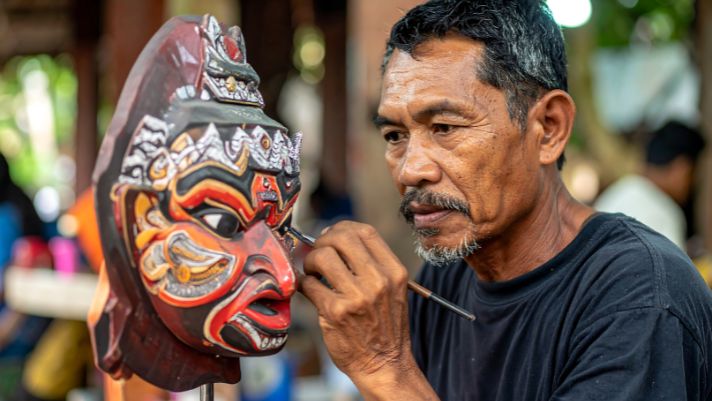
Art and crafts are windows into cultural heritage. When you watch a craftsperson at work or try a traditional art form yourself, you gain insight into a culture’s history and creativity. Instead of buying mass-produced souvenirs, imagine learning how a textile is woven in Guatemala or how clay pottery is shaped in Morocco.
Engaging with artisans is rewarding for both the skills you learn and the conversations you share. In Bali, you might learn woodcarving or batik painting. In Kyoto, you might try calligraphy or origami with a master. These workshops give you not only a skill but a story behind the item you bring home.
Domestic travel can be enriching too. Discover Navajo rug weaving in the American Southwest or woodcarving in the Pacific Northwest. Art fairs, craft markets, and cooperative workshops offer chances to learn from makers who preserve traditions across generations. Supporting these artisans helps keep cultural heritage alive and deepens the meaning of your journey.
Stories and Connection: Learning from Local People
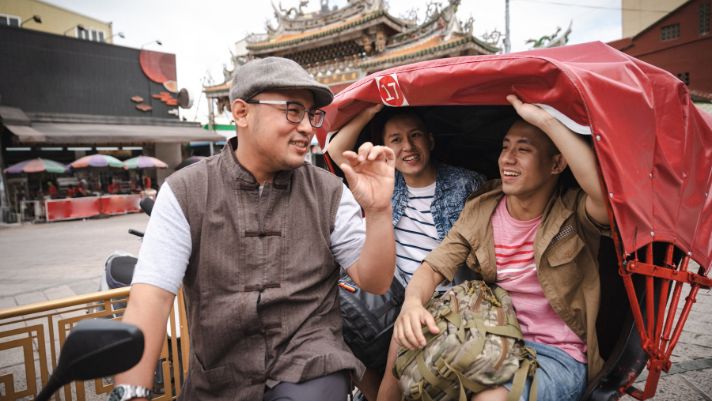
At the heart of every cultural experience are the people who live these traditions every day. Conversations with locals are often the most meaningful moments of a trip. Whether you listen to an elder share village lore in Greece or chat with your guesthouse host about everyday life, these human connections turn travel into something deeply enriching.
Stay where conversations can happen naturally. Homestays and family-run guesthouses offer more opportunities to connect. Small group tours led by local guides provide context and personal perspective you might never find alone. Even a casual chat in a neighborhood cafe can lead to invitations, insights, and shared laughter.
Travel writer Rick Steves captured it simply: “To me, understanding people and their lives is what travel is about, no matter where you go.” When a local person shares their story, you gain perspective, empathy, and often a lifelong memory. These connections shape how we see the world and how we see ourselves.
Tips for Adding Culture to Your Travel Plans
You do not have to overhaul your itinerary to make room for meaningful cultural encounters. Here are some simple ways to make culture part of your next trip:
Research Before You Go: Look up local festivals, markets, holidays, and community traditions happening during your travel dates.
Learn a Few Local Phrases: Basic greetings and expressions of gratitude show respect and open doors to friendlier interactions.
Take Classes and Tours with Locals: Join cooking classes, dance lessons, walking tours, market visits, or craft workshops led by residents.
Eat Where Locals Eat: Skip global fast food chains and seek local eateries. Food markets are cultural goldmines.
Choose Cultural Lodging: Stay in homestays, B&Bs, eco-lodges, or community-run accommodations that promote local engagement.
Support Local Makers: Buy souvenirs directly from artisans and learn the stories behind their work.
Be Respectful and Open: Dress appropriately for local customs, ask permission for photos, and approach every encounter with curiosity and respect.
Cultural experiences may come from planned activities, spontaneous moments, or small interactions that catch you by surprise. Be ready for them and embrace the unexpected.
Embrace Culture for a Meaningful Journey
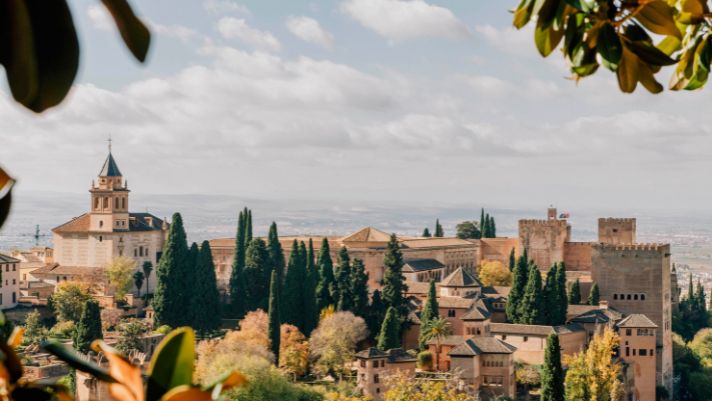
Cultural experiences are at the heart of truly meaningful travel. When you go beyond surface-level sightseeing and immerse yourself in food, traditions, festivals, crafts, and daily life, travel becomes a personal exchange rather than a series of stops. You return home not only with photos but with insight, connection, and a broadened perspective.
Whether your next adventure takes you across oceans or just to a neighboring town, seek out culture with curiosity and respect. Ask questions, try new foods, join local rituals, and make space for unexpected moments. These are the experiences that stay with you long after the trip ends and make your travel stories worth sharing again and again.
Happy travels, and may your journeys be filled with cultural discoveries that inspire and enrich your life!
Ready to experience a destination beyond the surface? A Personal Travel Advisor can help you plan a journey filled with authentic cultural moments and meaningful connections. Let us design a trip that brings you closer to the heart of every place you visit.


