


Vacation Ideas for Travelers Who Prefer Slow Travel
Some travelers want to see as many places as possible in a short time. If that sounds stressful to you, slow travel is your style. Slow travel is about quality over quantity. It’s choosing depth over speed, lingering longer in one place, savoring everyday moments, and discovering the rhythm of local life. Instead of ticking off destinations like checklist items, slow travelers live in the culture, taste the cuisine, and let time unfold naturally.
Below are vacation ideas that embrace slow travel, from small-town retreats and seaside escapes to cultural immersion, food and wine experiences, nature retreats, volunteering opportunities, and extended stays. These ideas suit all kinds of travelers, whether you prefer budget-friendly trips or luxurious long escapes.
Embrace Small-Town Charm
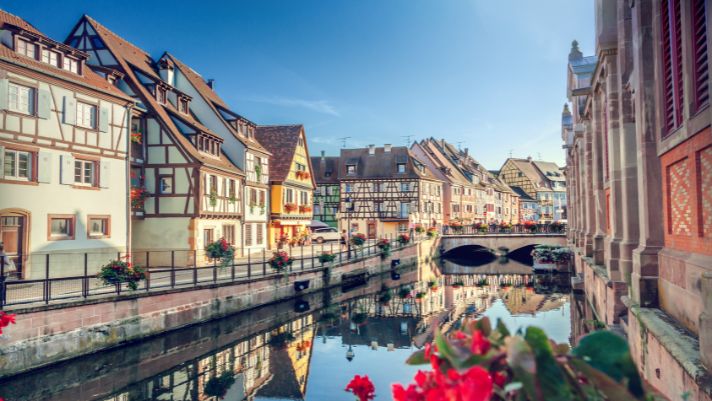
One of the best ways to slow down is to make a small town your base for a week or more. Small towns often have a relaxed pace, friendly locals, and plenty of time to wander aimlessly without a schedule.
Imagine sipping coffee on a quiet main street, browsing a weekend market, or chatting with shop owners who soon know your name. Places like a peaceful mountain gateway town or a countryside village in Provence or Tuscany invite you to settle in. You can explore at leisure, take gentle walks, sit by a riverbank, or enjoy local festivals when they happen.
Small-town stays tend to be more affordable than big cities and often offer cozy inns, family-run bed and breakfasts, and charming guest cottages. The key to slow travel in small towns is taking time to feel part of the community, even if only briefly.
Coastal & Island Time: Relax by the Water
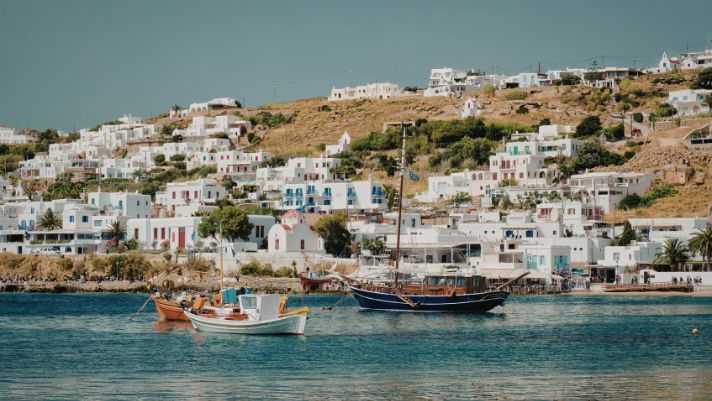
The sea has its own pace. Beaches, coastal towns, and island communities naturally encourage relaxation and unhurried days. Instead of rushing between overcrowded beaches, consider quieter coastal destinations where the sound of waves sets your itinerary.
To get off the beaten path, try lesser-known islands or coastal regions where you can enjoy sunrise walks on empty shores or afternoons lounging in a hammock with a good book. Visiting during the off-season often brings extra peace and lower prices.
For more adventure, consider slow coastal travel by sea. Renting a small sailboat or joining a small group sailing tour lets you explore hidden bays and village harbors on your own timetable. Ferries or hop-on/hop-off boat passes let you island-hop at your pace. Whether you stay in a seaside bungalow or a luxury villa by the bay, coastal slow travel is about letting the water call the shots.
Immerse Yourself in One City
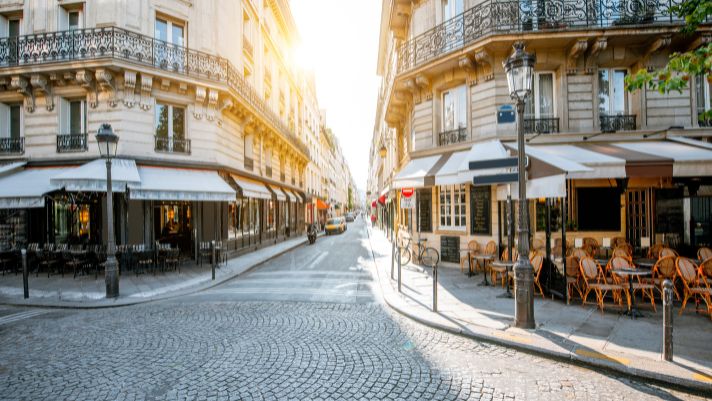
Slow travel is possible even in vibrant cities. The secret is to treat the destination like your temporary home. Forget tourist sprint schedules. Instead, rent an apartment in a neighborhood, learn the public transit, and make space in your day for spontaneous discoveries.
Wake with a leisurely coffee, stroll a local park, explore neighborhood markets, take an afternoon cooking or art class, and strike up conversation with locals. Cities like Lisbon, Istanbul, or Chiang Mai have rich cultural layers that reward slow exploration. You might even take a language lesson and practice it with shopkeepers or baristas.
Rather than trying to pack in all the major sights, focus on living the day-to-day rhythm. You’ll notice details most travelers miss such as a favorite café, a charming bookshop, or a hidden courtyard garden. Soon the city starts to feel familiar and welcoming, not overwhelming.
Savor Food and Wine the Slow Way
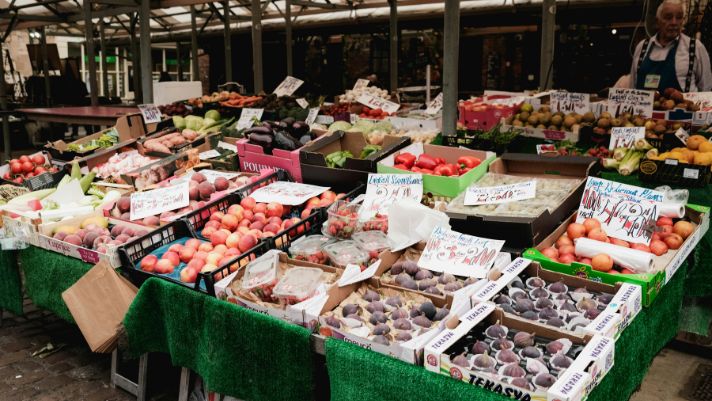
Food and drink provide wonderful entry points into culture, tradition, and local life. For culinary lovers, a slow travel food and wine vacation might mean spending two weeks in a gastronomic region instead of just a weekend tasting.
Try a multi-day cooking course or a wine immersion program where you visit vineyards at leisure, learn to select produce at markets, and master traditional recipes in local kitchens. These experiences go beyond sampling dishes: they teach you the stories and traditions behind food.
If structured classes aren’t your style, design your own culinary itinerary. Base yourself in a wine region or food-centric countryside and visit small producers, farm markets, and family-run eateries. Take your time with a tasting, picnic in a vineyard, and enjoy long dinners under the stars. This kind of travel rewards your palate and your curiosity.
Nature Retreats and Wellness Escapes
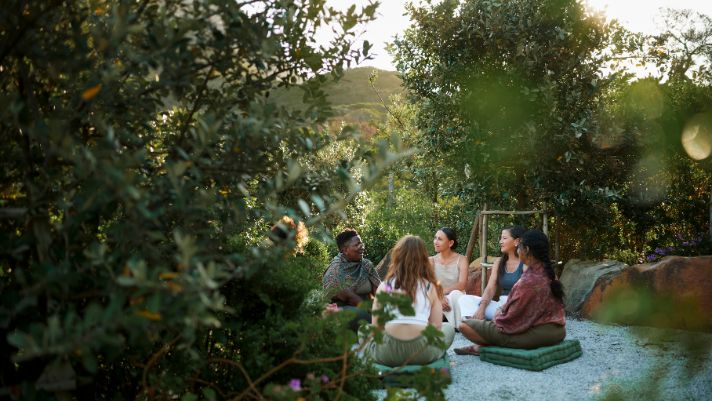
Sometimes slow travel means slowing your mind as well as your itinerary. Nature retreats and wellness escapes offer the perfect setting for relaxation, reflection, and rejuvenation.
Instead of racing through multiple parks or destinations, choose one natural setting such as a peaceful mountain cabin, a lakeside cottage, or a desert glamping site and let the landscape shape your days. Wake with the sun, take gentle walks, listen to birdsong, and savor quiet moments.
Wellness retreats take this a step further with offerings like yoga, spa care, hiking, meditation, and farm-to-table meals. Whether you choose a resort known for holistic programs or craft your own nature escape, the emphasis is on rest, reflection, and being present.
Give Back and Connect: Volunteering and Homestays
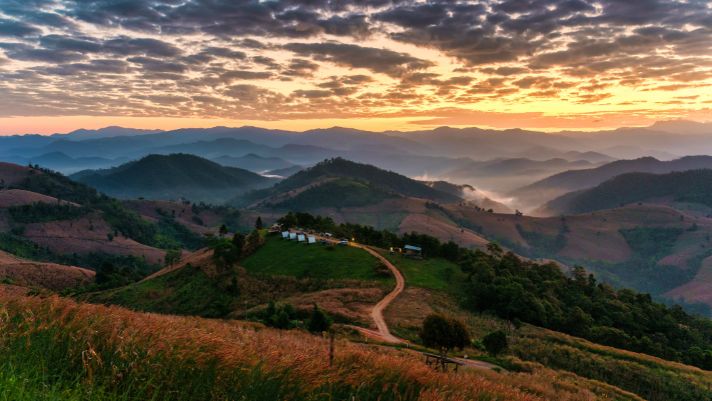
Slow travel deeply connects you to a place, and one meaningful way to do that is through community-based tourism like volunteering or homestays. These experiences invite you to live with locals, contribute to community projects, and see life through a resident’s perspective.
Work-exchange programs (like WWOOF) connect travelers with farms, guesthouses, and social projects in exchange for accommodation and meals. Staying with a host family in a rural village might mean helping with daily tasks, sharing meals, and learning local traditions. These connections create powerful cultural exchanges and support local economies.
If homestays are your style, consider destinations in the Andes, Southeast Asia, or rural Europe where community programs allow you to share daily life and traditions.
Journeys, Not Just Destinations
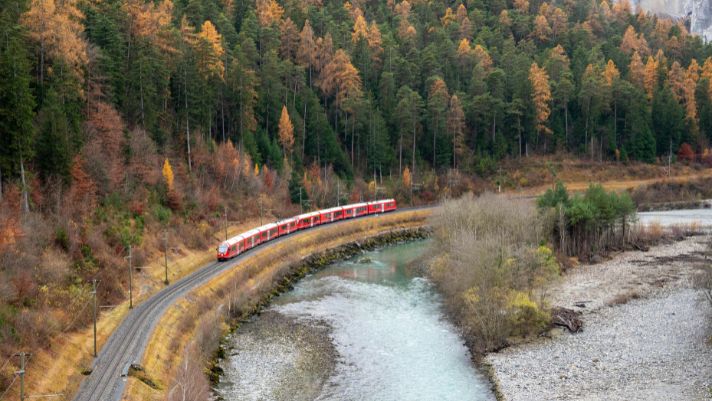
Slow travel can also be about how you move. Long-distance walking routes, extended cycling tours, overland train journeys, or canal boat trips turn the journey into the destination.
Classics like Spain’s Camino de Santiago, long-distance cycling routes through Europe, or relaxed rail travels across continents let you experience landscapes at walking or rolling pace. Train travel can be an especially unhurried way to see vast terrain without the pressures of airports and tight schedules.
For a gentle alternative, consider narrowboats in England or river barges in France where your pace matches the water’s flow. Every scenic viewpoint and tranquil village becomes part of your slow travel story.
Extended Stays: Live Like a Temporary Local
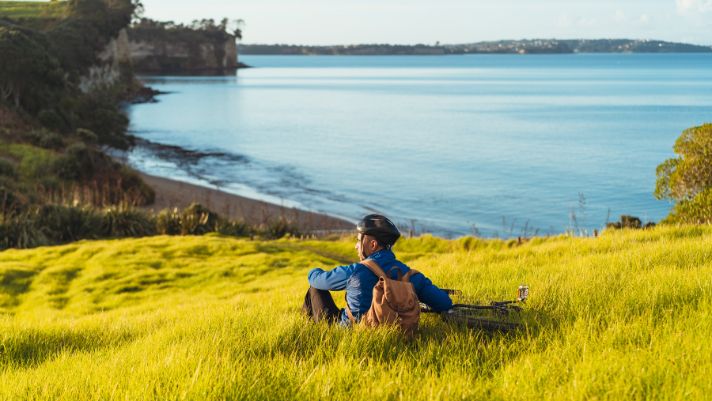
One of the richest slow travel experiences is an extended stay. Spending a month or more in one place lets you go beyond sightseeing and truly live there. Whether you rent an apartment in a European city, house-sit in a countryside village, or take a “workation” while traveling, extended stays offer deeper cultural connection and everyday rhythms.
With longer stays, you can shop at neighborhood markets, cook meals with fresh local ingredients, join community events, and become acquainted with your surroundings. These routines help you feel more at home and often make your vacation more affordable too, especially when you can cook and live like a resident.
Tips for Planning Your Slow Travel Trip
• Slow travel is a mindset, and a few practical strategies can help you embrace it fully:
• Choose slower transport: Trains, buses, bicycles, and ferries let you see more of the landscape and connect with local life.
• Travel outside peak seasons: Enjoy fewer crowds, quieter streets, and often lower prices in shoulder or off-peak times.
• Pack light and smart: A smaller bag makes it easier to move slowly and stay flexible.
• Stay in apartments or homestays with kitchens: Eating local food, cooking occasionally, and shopping at markets deepen your experience.
• Be flexible: Build a loose plan, but leave room for spontaneous discoveries or extended stays.
• Learn a bit of the local language: Basic words and phrases go a long way toward forging connections with locals.
Slow Travel Is a Mindset
Slow travel is not just a style of vacation. It’s a way of seeing the world with curiosity, openness, and patience. Whether you’re walking ancient trails, sipping wine in a vineyard, returning to the same café each morning, or learning a craft from a local artisan, the magic comes from time spent, not miles covered.
If slow travel speaks to you, let a Personal Travel Advisor help bring your ideal getaway to life. They can tailor a slow travel itinerary that fits your pace, interests, and budget. From extended stays to immersive experiences, these journeys are built for meaningful moments. Happy slow travels!
If you prefer to travel at a relaxed pace, a Personal Travel Advisor can help you plan a vacation built around slow, meaningful experiences. From longer stays to thoughtfully designed itineraries, we’ll help you create a journey that’s less about checking boxes and more about truly enjoying every moment.


