


2025 Year-in-Review: Travel Highlights and Milestones
As 2025 wraps up, travelers can look back on a year that was nothing short of extraordinary. New trends took shape, familiar favorites returned in a big way, and traveler behavior evolved toward more meaningful, intentional journeys.
From first-time travelers and multigenerational families to solo adventurers, cruisers, luxury seekers, and budget backpackers, 2025 had something for everyone. In this year-in-review, we are looking at the major trends, record-breaking milestones, destination highlights, and key lessons that defined travel in 2025.
Top Travel Trends of 2025

Travel in 2025 was shaped by a mix of new buzzwords and familiar concepts that matured in fresh ways. Solo trips, set-jetting, bleisure, and revenge travel all evolved as travelers focused more on value, balance, and purpose.
Solo Adventures and Traveling Together: Solo travel remained a powerful movement in 2025, especially for women, making up roughly 71% of solo travelers, with more women than ever choosing to cruise or join guided trips on their own. At the same time, 2025 was also very much about togetherness.
Multigenerational and extended family vacations surged, with 47% of travelers planning big family trips, a significant jump from 2024. In some surveys, interest in completely solo trips actually declined, with only about 12% of travelers wanting to travel entirely alone. The takeaway is simple: travel in 2025 proved that people wanted both - the freedom of solo adventures and the joy of shared experiences with family and friends.
Set-Jetting and Pop Culture Pilgrimages: Pop culture continued to shape travel plans. Set-jetting, or visiting filming locations from popular movies and TV shows, became a major driver of tourism. Nearly two thirds of travelers said movies and streaming series influenced where they wanted to go.
Fans sought backdrops from series like “The White Lotus” and “Yellowstone”, along with iconic film locations around the world. In response, tour operators and destinations leaned into the trend with themed tours and experiences, letting travelers step into their favorite on-screen worlds in real life.
Bleisure Reimagined: For years, combining business trips with vacations was a hot topic. In 2025, that idea shifted. Hybrid work still allowed people to travel more flexibly, and some travelers did extend work trips into short escapes.
However, the overall trend moved in the opposite direction. Around 85% of travelers reported that they now preferred to keep work and vacations separate, a sharp drop in interest in bleisure compared to the previous year. After juggling video calls and remote work for so long, many travelers wanted real breaks. Pure leisure trips and clear boundaries became the new ideal.
From Revenge Travel to Intentional Travel: The rush of “revenge travel” that defined the first big return to travel after the pandemic settled into something calmer and more mindful in 2025. Instead of racing to pack in as many trips as possible, many travelers chose to slow down.
This has been called the year of intentional travel. People chose fewer destinations but stayed longer, focused on meaningful experiences, and embraced the joy of missing out rather than the fear of it. A month in one country, learning a new skill, or planning a trip around a local festival felt more rewarding than checking off a long list of cities. It was less about the photo and more about the feeling.
Eco-Conscious and Value-Driven Choices: Sustainability and value were front and center in 2025. More travelers looked for ways to reduce their environmental impact and support responsible tourism. Travel advisors reported that more than a quarter of their clients showed a clear commitment to carbon offset programs, and nearly 60% of travelers said they were willing to pay more for eco-friendly options if they understood the impact.
Alongside this, people became more value conscious. Higher costs and economic uncertainty encouraged smarter planning. Travelers leaned into points and miles, chose local and authentic experiences, and aimed to make each trip count. Sustainable, value-driven travel was no longer a niche idea - it became part of how many people think about travel by default.
Key Travel Industry Milestones in 2025
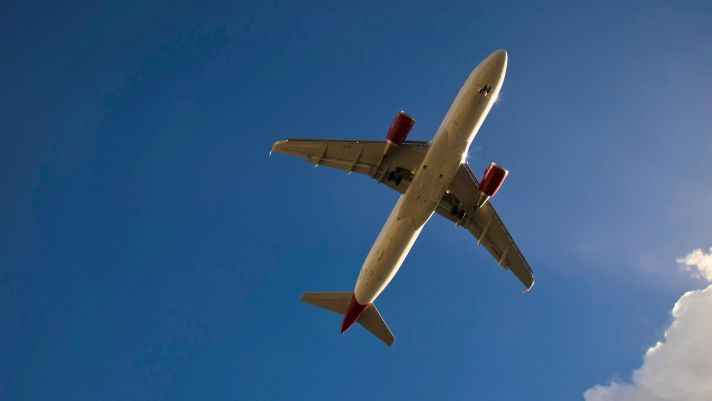
While traveler preferences evolved, the industry itself hit major milestones. This was a year of record numbers, new routes, and big investments in technology and sustainability.
Tourism Numbers Reach New Highs: Global tourism not only recovered, but it also set new records. In the first nine months of 2025, international arrivals reached more than 1.1 billion and were up about 5% over 2024, surpassing 2019’s pre-pandemic peak.
In the United States, domestic travel remained extremely strong. National parks continued a multi-year boom. After setting a record in 2024, U.S. parks stayed busy well into 2025, reflecting a lasting love of outdoor travel and nature-focused trips.
A Historic Cruise Comeback: Cruising had a standout year. The global cruise industry is projected to carry around 37.7 million passengers in 2025, a new all-time high. In North America, cruising has never been more popular, with more than 20 million Americans cruising this year and even more already booked for 2026.
New ships launched, itineraries expanded, and cabins filled up. From Caribbean island-hopping to polar expeditions, travelers embraced cruises for convenience, value, and variety. After a slow restart a few years ago, cruising in 2025 fully reclaimed its place as one of the most in-demand ways to travel.
Airlines Expand Routes and Capacity: Air travel surged in 2025, and airlines responded by adding routes and capacity across the globe. Major U.S. carriers expanded long-haul networks with new nonstop flights to Australia and other long-distance destinations. Some city pairs were connected directly for the first time, making far-flung trips more accessible.
Low-cost carriers also grew aggressively, adding dozens of new domestic routes and entering new markets. For travelers, this meant more choice, better connections, and more competition on certain routes, which can help with pricing and flexibility.
Sustainability Moves from Talk to Action: With travel back at full force, sustainability had to move beyond buzzword status. Many cruise lines and airlines made visible investments in cleaner fuels, more efficient ships and aircraft, and shore-power or airport infrastructure.
By the late 2020s, roughly half of new cruise ship capacity is expected to be built to run on lower-emission fuels, and a large share of ships will be able to plug into electric power in port to reduce emissions. Similar momentum is building around sustainable aviation fuel. On the ground, popular cities introduced new policies to fight overcrowding and protect local communities and heritage sites.
The message of 2025 was clear: the future of travel depends on balancing growth with responsibility, and real progress is finally underway.
Travel Tech Comes into Its Own: Technology transformed the travel experience in 2025. AI tools became everyday planning companions, helping travelers build itineraries, find inspiration, and compare options more quickly. Use of generative AI for trip planning rose sharply, and many travelers said they would happily pay for an AI travel concierge to handle logistics.
At airports, biometric boarding and check-in grew more common, speeding up queues and simplifying ID checks. A majority of travelers said they preferred biometric systems for faster processing. Interest in remote baggage services also grew, as people looked for any way to remove stress from the start of their trips.
Overall, 2025 made it clear that technology is now woven into every phase of travel, from dreaming and planning to boarding and exploring.
Destination Highlights of 2025

Certain destinations had especially big years, driven by reopenings, global events, or rising popularity.
Japan’s Big Year Back: Japan fully stepped back into the global spotlight in 2025. International arrivals surged, helped by a favorable exchange rate that made trips more affordable and by a full calendar of cultural events.
The World Expo 2025 in Osaka was a major draw, attracting visitors interested in innovation, design, and international culture. Tokyo, Kyoto, Hokkaido, and other regions saw heavy demand throughout the year as travelers rediscovered Japan’s mix of tradition and modernity. After years of limited access, Japan’s comeback felt like a global celebration.
Europe’s Balancing Act: Europe remained one of the world’s most popular regions, with iconic cities and coastlines seeing strong visitor numbers. Americans returned in large numbers, thanks in part to favorable currency exchange and pent-up demand.
However, the volume of visitors brought new challenges. Cities like Venice, Barcelona, and Amsterdam continued to wrestle with overtourism, introducing measures such as reservation systems, visitor caps, and entry fees for day-trippers. At the same time, travelers increasingly discovered smaller cities and lesser-known regions, spreading tourist traffic more widely and highlighting the appeal of “second cities” and quieter countryside destinations.
The Ongoing Boom in America’s Great Outdoors: In the United States, national parks and outdoor destinations continued to shine. Park visitation climbed again, especially during peak seasons. Families, road-trippers, and international visitors all contributed to the strong numbers.
At the same time, parks faced challenges with staffing and infrastructure while trying to preserve fragile ecosystems. Many expanded reservation systems, as well as encouraged travelers to visit in shoulder seasons to reduce strain. Even with these growing pains, the enthusiasm for outdoor travel showed no sign of fading. Nature remained one of the biggest stars of 2025.
How Traveler Behavior Evolved in 2025

Beyond where people went, how they traveled changed in meaningful ways.
Smarter, More Prepared Travelers: Travelers in 2025 planned more carefully and used more tools than ever before. They relied on online communities, comparison sites, AI planners, and mobile apps to research, book, and adjust plans.
Many used credit card rewards and loyalty programs strategically to stretch their budgets, especially younger travelers. Flexibility became a core skill, with people choosing refundable options where possible, embracing shoulder season travel, and having backup plans ready.
Seeking Value and Meaning, Not Just Movement: Travelers increasingly expected trips to offer real value and deeper meaning. Instead of packing in as many destinations as possible, they chose experiences that felt enriching, restorative, or personally significant.
This often meant wellness retreats, cultural immersions, food and wine journeys, or learning-focused travel like language classes, craft workshops, or volunteering. The sense of “just because I can” travel faded, replaced by “this really matters to me” travel.
A Stronger Focus on Respect and Responsibility: With more people on the move, 2025 made travelers more aware of their impact. Many became more thoughtful about where they stayed, how they spent, and how they acted in local communities.
Choosing local businesses, respecting cultural norms, reducing waste, and listening to local voices became part of the conversation. Popular destinations also did more to educate visitors on how to protect fragile environments and historic sites.
Flexibility and Resilience as Essential Skills: Finally, travelers in 2025 showed that they are more adaptable than ever. After several years of disruptions and changing rules, people learned to expect occasional surprises and respond calmly.
More travelers bought insurance, left cushion days in their itineraries, and treated changes as opportunities rather than disasters. Pivoting from one destination to another or changing plans mid-trip became more normal. Flexibility was no longer a bonus - it was part of the travel mindset.
Looking Ahead: From 2025 to 2026
Looking back, 2025 was a turning point. Travel demand was in full swing, but travelers themselves changed in ways that feel lasting. They are more intentional, more informed, more value-focused, and more aware of their impact.
The industry responded with more routes, more ships, more tech, and more efforts to balance growth with sustainability. Looking ahead to 2026, we can expect further innovation, new destination spotlights, and even more emphasis on personalized, meaningful travel experiences.
If 2025 reminded us of anything, it is that travel is not just here. It is evolving. The world is open, the possibilities are wide, and the lessons from this year are already shaping the journeys to come.
Here is to the memories made in 2025 and the new adventures waiting in 2026.
Celebrate a year of exploration and discovery. A Personal Travel Advisor can help you carry the momentum into 2026 with expert recommendations and exclusive offers. Let’s build on this year’s highlights and start planning your next unforgettable journey.


