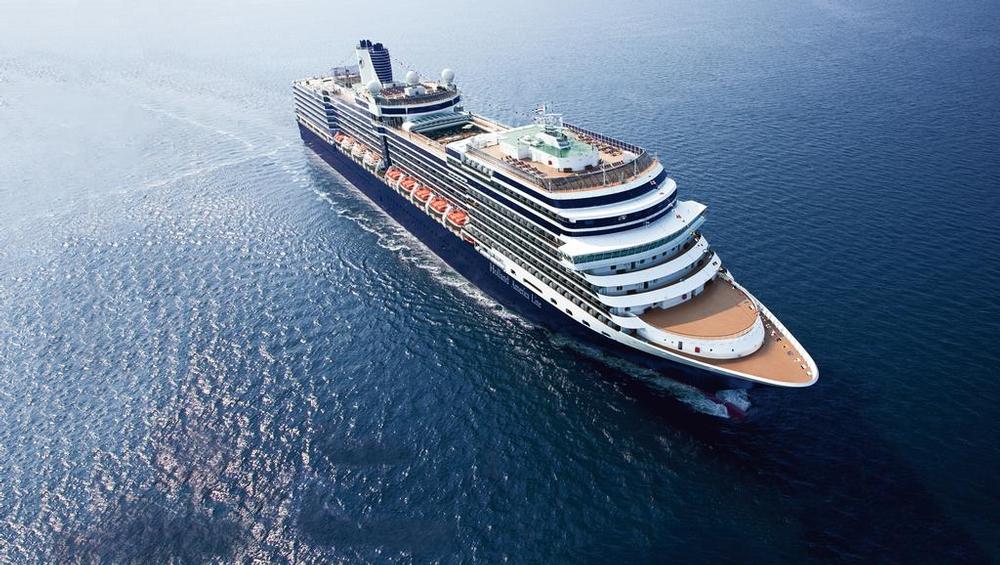
Accessible Cruises: A Guide to Choosing the Right Ship, Cabin, and Shore Excursions
Cruising can be a wonderful way to explore the world without constantly packing or changing hotels. For travelers with disabilities or mobility limitations, that convenience can be especially appealing.
Many cruise lines offer accessible cabins and wheelchair-friendly public spaces. They also provide services for guests with sensory or medical needs. However, accessibility can vary significantly between ships, and even between cabins on the same ship.
Finding the right accessible cruise means looking beyond the ship itself. The cabin layout matters, but so do the boarding process and shore excursions. Your destinations can also influence how easily you get around.
This guide covers what to look for when choosing an accessible cruise, how major cruise lines accommodate different needs, and the questions worth asking before you book.
How to Choose an Accessible Cruise Cabin
Your cabin is one of the most important considerations when planning an accessible cruise.
While many ships offer specially designed accommodations, the term "accessible" doesn't always mean the same thing. Some cabins are intended for travelers who use wheelchairs full-time, while others are better suited to guests who can walk but benefit from additional support.
Fully Accessible Cabins
These are generally designed for guests who regularly use wheelchairs or mobility scooters.
Depending on the ship, these cabins may feature wider entryways and roll-in showers. They can also include shower seats or accessible bathroom fixtures. Many provide additional floor space for maneuvering.
However, layouts can differ. Some rooms provide wheelchair access to both sides of the bed, while others offer clearance on only one side.
If you need a particular transfer arrangement, confirm the layout before making a reservation.
Ambulatory Accessible Cabins
Ambulatory accessible cabins are intended for travelers with mobility limitations who don't require full-time wheelchair access.
These rooms may include grab bars or other helpful features. However, they might not provide the space needed to maneuver a wheelchair.
For example, an ambulatory accessible cabin may work well for someone who uses a cane or walker but may not accommodate a larger power wheelchair.
Questions to Ask Before Booking
Before reserving an accessible cabin, confirm the following details:
- Are the cabin and bathroom doorways wide enough for your mobility equipment?
- Does the bathroom have a roll-in shower?
- Are grab bars available where you need them?
- Is there enough clearance beside the bed for transfers?
- Can a wheelchair or scooter be safely stored and charged inside the cabin?
- Is the balcony accessible, if the cabin includes one?
- Does the cabin's location provide convenient elevator access?
Accessible cabins are often limited in number, making early reservations especially important.
If you're comparing cabin categories and ship layouts, Avoya Travel's guide to choosing the right cruise ship offers additional tips.
Which Cruise Lines Offer Accessible Cruises?
Many major cruise lines provide accommodations for travelers with disabilities. However, the best option depends on your specific needs and preferred destinations. The ship you're considering also makes a difference.
Here are several cruise lines worth exploring:
Royal Caribbean
Royal Caribbean offers accessible cabins across its fleet, along with accommodations in many public spaces.
Accessible cabins may feature wider doors and roll-in showers. Many also provide additional maneuvering space for wheelchair users. The cruise line offers boarding assistance and certain communication accommodations upon request.
Royal Caribbean has also published information for guests with autism and other developmental disabilities.
As with any cruise line, accessibility in individual venues and ports should be confirmed before booking.
Carnival Cruise Line
Carnival Cruise Line distinguishes between several types of accessible cabins.
These include fully accessible cabins and rooms with single-side bed access. Ambulatory accessible cabins are another option.
The classifications can make it easier for travelers to identify accommodations that match their mobility needs.
Carnival also provides accessible route information for individual ships. The cruise line offers accommodations for guests with sensory disabilities and has earned KultureCity Sensory Certification.
Norwegian Cruise Line
Norwegian Cruise Line offers wheelchair-accessible cabins throughout its fleet.
Features can include wider doors and roll-in showers, and cabins may also have shower benches or grab bars.
Norwegian has an Access Desk that helps coordinate accommodations before departure. Onboard Access Officers assist with accessibility-related needs during the cruise.
Guests who require services such as sign-language interpretation should contact Norwegian well in advance. Some requests have longer notice periods than others.
Holland America Line
Holland America Line identifies several categories of accessible cabins.
These include fully accessible and ambulatory accessible accommodations. Some cabins are specifically designed for single-side bed access.
This distinction helps travelers compare cabin features based on their particular mobility requirements.
Holland America also offers services for guests with hearing or vision disabilities, including assistive-listening accommodations in certain entertainment venues.
Other Cruise Lines to Consider
Additional options include:
Princess Cruises: Offers accessible cabins and detailed information about accessible routes on individual ships. Travelers can also review the locations of accessible public restrooms.
Celebrity Cruises: Provides accessible cabins and boarding assistance. The cruise line also offers accommodations for guests with hearing or vision disabilities.
Disney Cruise Line: Offers accessible cabins and specialized communication equipment. Certain ships and destinations also provide mobility assistance.
MSC Cruises: Offers accessible cabins and selected "Easy & Accessible" shore excursions designed for travelers with reduced mobility.
These are examples, not an overall ranking. A cruise line that works particularly well for one traveler might not be the best choice for another.
It's also worth remembering that smaller ships aren't necessarily more accessible. Some may have fewer elevators or limited accessible cabin inventory.
River cruises require particularly careful evaluation. Vessel layouts can create challenges, and docking arrangements may also affect accessibility.
You can explore cruise lines and available sailings through Avoya Travel.
Accessible Shore Excursions: What to Know Before You Go
Exploring new destinations is often the highlight of a cruise. However, getting from the ship to a destination attraction can present some of the biggest accessibility challenges.
Even when a ship is accessible, the surrounding port infrastructure might not be.
Historic destinations may have cobblestone streets or uneven sidewalks. Some attractions lack elevators, and accessible transportation can be limited in certain ports.
One of the most important considerations is whether your ship will dock directly at the pier or use a tender.
What Is a Tender Port?
At some destinations, cruise ships anchor offshore rather than docking directly at a pier.
Passengers then board smaller boats, called tenders, to travel between the ship and shore.
Tender operations can be difficult or impossible for some wheelchair and mobility scooter users. Boarding may involve steps or narrow spaces. Movement between vessels can also create challenges.
Weather and sea conditions can affect accessibility. Tides may also influence the boarding process.
Some cruise lines prohibit crew members from physically carrying guests or mobility devices onto tenders.
If getting ashore at a particular destination is important to you, ask about the port's docking arrangements before booking. Even a scheduled pier arrival can change because of operational conditions.
For an example of why arrival arrangements matter, explore Avoya Travel's Honfleur cruise port guide, which discusses local accessibility and docking considerations.
Choosing Accessible Shore Excursions
Cruise lines increasingly offer excursions designed for travelers with mobility limitations. However, it's important to understand exactly what each tour includes.
A tour described as "easy" or "low activity" isn't necessarily wheelchair accessible.
Before reserving an excursion, ask whether accessible transportation is available. You should also confirm whether travelers can remain in their wheelchairs during the journey.
Check that attractions have step-free access. Accessible restrooms are another important consideration.
Some excursions require guests to transfer into a standard vehicle or walk short distances. Others offer wheelchair-accessible vehicles equipped with ramps or lifts.
If an excursion doesn't meet your needs, a private accessible tour may be an alternative.
Traveling With Wheelchairs and Mobility Scooters
Travelers who use wheelchairs or mobility scooters should review their cruise line's equipment policies before departure.
Most cruise lines allow guests to bring personal mobility equipment, subject to applicable safety and size requirements.
However, there are several important considerations.
Equipment dimensions: Confirm that your wheelchair or scooter fits through the cabin doorway. Make sure there's enough room to maneuver inside.
Storage and charging: Mobility equipment generally must be stored inside your cabin rather than in hallways. This helps keep emergency routes clear.
Battery requirements: Cruise lines may have specific policies regarding battery types and charging. Confirm that your equipment meets those requirements.
Equipment rentals: Some travelers prefer to rent mobility equipment for their cruise. Providers such as Scootaround and Special Needs at Sea offer rentals for certain ships and departure ports.
Boarding assistance: Cruise lines may provide wheelchairs during embarkation and disembarkation. However, these are not necessarily available for regular use throughout the voyage.
If you depend on a wheelchair for daily mobility, arrange appropriate equipment in advance rather than relying on the ship to provide one.
Accommodations for Hearing, Vision, and Sensory Needs
Accessible cruising isn't limited to physical mobility.
Many cruise lines offer accommodations for travelers who are deaf or hard of hearing. Services are also available for guests who are blind or have low vision.
For example, some ships provide visual or vibrating alerts. Assistive-listening systems and captioned entertainment may also be available.
Other accommodations can include Braille signage or large-print materials. Some cruise lines offer orientation assistance and sign-language interpretation upon advance request.
Travelers with autism or sensory-processing differences may also benefit from advance arrangements.
Depending on the cruise line, accommodations may include assistance with boarding procedures. Accessibility teams may also help coordinate support for specific sensory needs.
Because these services vary by ship and cruise line, contact the accessibility department before departure to confirm what's available.
Some arrangements, particularly sign-language interpretation, require substantial advance notice.
Cruising With Medical Equipment or Additional Care Needs
Cruise lines can accommodate many common medical needs, but travelers should confirm their requirements before booking.
For example, some ships accommodate CPAP machines and oxygen concentrators. Arrangements may also be available for medication refrigeration or sharps disposal.
Travelers who require dialysis should discuss their needs with the cruise line before reserving a sailing.
Approval and availability vary by cruise line. Some types of medical equipment may be restricted or require advance coordination.
It's also important to understand the distinction between medical services and personal care.
Many ocean cruise ships have medical facilities staffed to handle routine medical issues. These teams can also provide initial emergency treatment.
However, onboard medical teams are not substitutes for hospitals or ongoing personal-care providers.
Cruise staff generally aren't responsible for helping guests with daily activities such as bathing or dressing. Assistance with eating or toileting may also fall outside their responsibilities.
Travelers who need this type of assistance should plan for a companion or caregiver to provide that support.
Guests traveling with service animals should notify their cruise line in advance. International itineraries may involve additional documentation or vaccination requirements. Some destinations also restrict whether a service animal can go ashore.
When Should You Book an Accessible Cruise?
Planning ahead is one of the best ways to secure suitable accommodations.
Accessible cabins are limited, and requests for specialized equipment or services can require additional time.
For travelers with specific accessibility needs, starting the search six to 12 months before departure can provide more choices. This is especially helpful on popular itineraries.
Once you've selected a sailing, discuss your accessibility requirements with the cruise line as early as possible.
Notification deadlines vary considerably.
For example, Norwegian Cruise Line asks guests to contact its Access Desk at least 90 days before sailing for interpreters. For other accessibility needs, the recommended notice period is 45 days.
Other cruise lines have different requirements depending on the service requested.
A useful approach is to communicate accessibility needs at booking and aim to have arrangements confirmed well before departure.
Before making final payment, reconfirm that the correct cabin and required accommodations are available. Check again shortly before sailing in case arrangements have changed.
Find the Right Accessible Cruise With Avoya Travel
An accessible cruise should be about discovering new places and enjoying your vacation, not wondering whether the next part of your journey will meet your needs.
The right combination of ship and cabin can make a significant difference. Choosing an itinerary that accommodates your needs is just as important.
Avoya Travel can help you compare cruise options and connect with a Personal Travel Advisor who can assist with researching accommodations and identifying important questions to ask before booking.
Whether you're planning your first cruise or exploring a new destination, taking time to evaluate accessibility in advance can help you travel with greater confidence.
Explore available cruises or connect with a Personal Travel Advisor to start planning your next vacation.


- Save favorite vacations & searches
- Early access to promotions
- Exclusive deals, discounts & prices
- Plus more!