
How to Become a Part-Time Travel Agent
Becoming a part-time travel advisor can be a practical way to enter the travel industry without making an immediate full-time commitment. It gives you room to learn the business, build confidence, and decide how much you want to grow.
But part-time does not mean passive.
Travel advisors help clients make real decisions about real trips. That means researching options, answering questions, tracking deadlines, and following up when plans change. Even with a limited schedule, clients still expect clear communication and reliable service.
The key is to build a business that fits your available time. That usually means choosing a focused niche, using a simple workflow, and getting support from a host agency or travel network.
Important Note: This article shares general information and suggested best practices for aspiring travel advisors. It is not intended to outline Avoya Travel requirements, recommended work hours, income expectations, or business-building best practices. As an Independent Advisor affiliated with an Independent Agency in the Avoya Travel Network, how, when, and where you work is up to you. Prospective applicants can speak with an Avoya Travel affiliation specialist about how the Avoya Travel model may align with their goals, time commitment, and business plans.
Can You Become a Travel Agent Part Time?

Yes, you can become a travel agent part time. Many people explore the travel industry with a limited schedule before deciding how they want to grow.
The more important question is whether you can serve clients reliably with the time you have. Travel planning often happens in stages. A client may ask for a quote today, need a revision tomorrow, and have a payment deadline next week.
That does not mean you need to be available all day. It does mean you need a system.
A part-time travel advisor may want to set clear response windows, choose trip types they can manage well, and communicate expectations early. Simple, repeatable trips are often easier to manage at the beginning.
For example, cruises, all-inclusive resorts, and family vacations can be strong part-time niches. They still require knowledge, but they often have clearer supplier paths and repeatable planning steps.
What Makes Part-Time Travel Planning Different?

Part-time travel planning is not just a smaller version of full-time travel planning. The limits are different.
You have fewer hours for prospecting. You have less time for long research projects. You may also need to work around another schedule.
That means focus becomes especially important.
A full-time advisor may be able to take on a wider range of requests. A part-time advisor usually benefits from tighter boundaries. The suggested best practice is to focus on trips you can quote, book, and service efficiently.
That may mean referring or declining requests that are too complex for your current setup. It may also mean avoiding trip types that require urgent support during times you are not available.
A strong part-time business is built around focus. It is not built around saying yes to every inquiry.
How Many Hours Do You Need?

Your weekly time commitment should help shape your business model. The examples below are general planning scenarios, not Avoya Travel-specific recommendations or guarantees of success.
If you have about five hours per week, consider keeping the business highly focused. A schedule that limited may be better suited to learning, training, and serving a small client list than to aggressive growth.
If you have 10 to 15 hours per week, you may have more room to build. That can give you time for training, quoting, follow-up, and simple marketing. However, success still depends on consistency, response time, niche selection, and the systems you use.
If you have closer to 20 hours per week, you may be able to build a more consistent pipeline. You can also take on more client communication and deeper supplier training.
No matter how much time you have, protect your response time. A client does not need constant access to you. But they do need to know what to expect.
How to Become a Part-Time Travel Agent Step by Step

1. Define Your Available Hours
Start by deciding how much time you can realistically commit each week.
Do not only count the time you spend booking trips. You also need time for training, research, quoting, follow-up, marketing, and admin work.
It helps to choose specific work windows. For example, you might handle client follow-up on two evenings each week and use one weekend block for quotes or training.
A clear schedule helps you avoid overcommitting. It also helps clients understand when they can expect to hear from you.
2. Choose a Business Model That Supports Limited Hours
Many travel advisors with limited schedules benefit from support. Building every supplier relationship, workflow, and technology system on your own can take more time than you have available.
That is why many part-time advisors affiliate with a host agency or travel network. This can provide access to supplier relationships, training, technology, support, and commission processing.
A fully independent agency can offer more control. It also comes with more responsibility. For a part-time beginner, that may create too much operational weight too early.
The right model should make your limited hours more productive.
3. Pick a Niche You Can Manage Well
A niche is especially important when you are part time.
You do not need to become an expert in every destination or trip type. You need to become reliable in a specific area.
Cruises can be a strong fit because there are clear booking paths and training options. All-inclusive resorts can also work well. Family vacations, honeymoons, and group trips may be good options if they match your network.
Start with one primary niche. You can always expand later.
A simple niche statement can help: “I help families plan cruises” is easier to remember than “I help people book travel.”
4. Complete One Strong Training Path
Training helps you understand the travel industry before you start advising clients.
You might begin with host agency or travel network training. You could also use a broader program or supplier education platforms.
A suggested best practice is to avoid stacking too many beginner programs at once. That can use up time without helping you book or serve clients.
Choose one strong foundation. Then add niche training once you know what you want to sell.
5. Understand Compliance Before You Start Selling
There is no single national travel agent license in the United States. Requirements may depend on where you operate and where you sell travel.
Some states currently have seller-of-travel rules. California, Florida, Washington, and Hawai?i are important examples as of writing this. Rules, fees, and registration requirements can change, so check current requirements directly with the applicable state, host agency or travel network, and qualified legal or tax professionals as needed.
A host agency or travel network may provide support, but you should still understand your own responsibilities. Ask how seller-of-travel requirements are handled. Also ask what may apply to your independent business.
This matters even more if you plan to charge planning or service fees.
6. Choose a Host Agency or Travel Network
A host agency or travel network can be especially useful for part-time travel advisors. The right support model can help you use your limited hours more effectively.
This is where Avoya Travel can be a strong option for travel professionals who want a more supported way to build an independent business. Avoya Travel supports Independent Agencies in the Avoya Travel Network with technology, education, supplier access, and business support.
One major differentiator is Live Leads. This patented lead-generation program helps connect Independent Agencies in the Avoya Travel Network with prospective travelers who are already looking for vacation-planning support.
Avoya Travel also offers Agent Power, a proprietary platform designed to help centralize certain business operations.
For advisors with limited schedules, that structure can be valuable. Limited hours make organization and follow-up especially important. A more centralized system can help you manage leads, client details, and next steps more consistently.
Avoya Travel is especially well suited for travel professionals who want support, tools, technology, education, supplier access, and lead opportunities. The Avoya Travel model may appeal to advisors who want the independence of running their own business with access to systems and support that can help them build with more confidence.
7. Build a Simple Client Workflow
A part-time travel business needs a workflow you can repeat.
Start with intake. Decide how clients will share their trip details. Then decide how you will research options, send quotes, handle revisions, and confirm bookings.
You may also want to create a communication policy. Tell clients when you typically respond. If you are not available during certain hours, make that clear.
Your workflow should include payment reminders, travel protection discussions, and final document checks. These details help protect the client experience. They also reduce last-minute stress.
8. Start With a Small Client List
Your first few bookings will teach you how much time the work really takes.
Start small. Track how long it takes to qualify a client, research options, send a quote, revise the trip, and complete the booking.
You may find that some trip types fit your schedule better than others. You may also learn that certain clients require more time than your current setup allows.
That information is valuable. It helps you decide what to sell, what to avoid, and how to improve your process.
9. Build Marketing Around Referrals
Part-time travel advisors usually do best with focused marketing.
Start with people who already know you. Tell friends, family, colleagues, and community contacts what kind of travel you help plan.
Then build a simple online presence. This might be a landing page, host profile, social profile, or email list.</
How Much Does It Cost to Become a Part-Time Travel Agent?

Startup costs vary based on your model, location, and current requirements.
A lean setup may include training, host agency or travel network fees, business registration, email, a basic website, and simple client-management tools.
A more structured setup may cost more. That could include stronger training, professional memberships, insurance, marketing support, and more advanced technology.
Host agency costs also vary. Some models have lower fixed costs and fewer included resources. Others charge more but provide more training, support, tools, or lead opportunities.
Because costs, fees, and registration requirements may change, verify current pricing directly with each provider, agency, or applicable registration source before making business decisions.
The lowest-cost option is not always the best fit. The better question is what support you receive in return.
For a part-time advisor, support can be especially important. If a system helps you save time, follow up faster, and stay organized, it may be worth the added cost.
How Do Part-Time Travel Agents Make Money?

Part-time travel advisors may earn money through supplier commissions, planning fees, service fees, or a combination of these options.
Supplier commissions are common for cruises, resorts, tours, and vacation packages. The supplier usually pays commission after the client travels or after the booking reaches a certain stage.
That timing matters.
You may spend time helping a client months before you receive commission. This can make the first year feel slow from a cash-flow perspective.
Planning fees can help address that issue. They may cover research, itinerary design, revisions, or custom planning. Whether you charge fees depends on your business model, host agency or travel network guidelines, and state requirements.
Before charging planning or service fees, confirm current requirements and any applicable business guidelines.
How Much Can You Make as a Part-Time Travel Agent?

Part-time income varies widely, and no income level is guaranteed.
Your earnings depend on your available hours, niche, sales volume, commission structure, planning fees, and client service model. A few small bookings may not create much income. A smaller number of higher-value trips can be more efficient.
In the first several months, many new advisors are still learning. Income may be modest while you complete training, build supplier knowledge, and develop a client base.
A realistic first goal is not to replace your income right away. A better first goal is to complete real bookings, build a repeatable process, and create referral momentum.
Over time, income can grow. Repeat clients, referrals, and a clear niche can make each hour more productive.
Best Niches for Part-Time Travel Agents
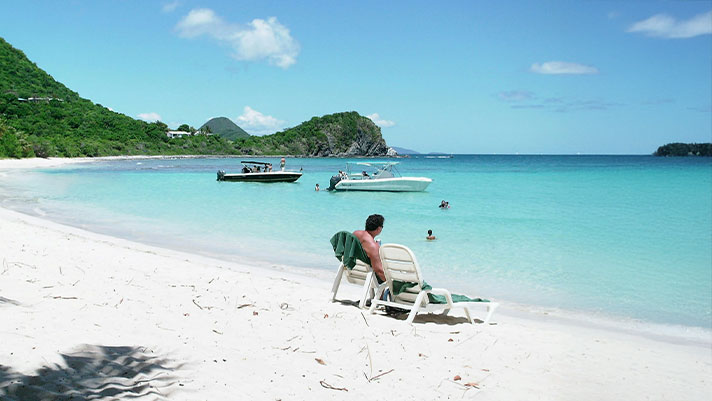
The best part-time niches are focused, repeatable, and easy to explain.
Cruises can be a strong option. Clients often need help comparing cruise lines, ships, cabins, itineraries, and promotions.
All-inclusive resorts can also work well. Clients may want help choosing the right destination, resort, room type, and travel dates.
Family vacations are another strong option. Families often need help balancing budget, convenience, and activities for different ages.
Honeymoons and destination weddings can be valuable, too. These trips often carry higher expectations. They can also involve more planning.
Group travel may work for organized part-time advisors. But it can become complex quickly. Start small before managing larger groups.
Suggested Best Practices for Part-Time Travel Advisors
A few suggested best practices can make part-time travel planning easier to manage.
First, focus on a clear niche. Trying to sell every type of trip can spread your training and marketing too thin.
Second, pace your client list carefully. It is better to serve a few clients well than to create stress for everyone involved.
Third, set response-time expectations. Clients should know when they will hear from you.
Fourth, focus on client service rather than travel perks. This is a service-based business. The value comes from helping people plan better trips.
Fifth, ask satisfied clients for referrals. Happy clients can become one of your best growth channels.
Is Becoming a Part-Time Travel Agent Worth It?
Becoming a part-time travel advisor can be worth it if you treat it like a real business.
It can offer flexibility. It can also give you time to learn the industry before deciding how much you want to grow.
But it requires consistency. You need to follow up, stay organized, and keep learning. You also need to manage client expectations around your availability.
This path may be a strong fit if you enjoy helping people make decisions. It can also be a strong fit if you are organized, service-minded, and willing to build slowly.
Why Part-Time Travel Advisors May Consider Avoya Travel
Avoya Travel may be a strong fit for travel professionals who want support from the beginning and plan to approach travel planning with consistency.
Because Independent Agencies in the Avoya Travel Network operate independent businesses, the way you work, including your schedule and business plan, is up to you. At the same time, the general guidance in this article is not intended to describe Avoya Travel best practices or a recommended number of weekly hours.
Independent Agencies in the Avoya Travel Network can access technology, education, supplier relationships, and support designed for travel professionals. That can be valuable if you want to operate an independent business but do not want to build every system alone.
Live Leads can also be important for part-time advisors. If your available hours are limited, you may not want to spend all of them prospecting. The Avoya Travel model can help connect Independent Agencies with prospective travelers who are already looking for vacation-planning support.
Agent Power gives travel professionals a centralized system for managing key parts of the business. For part-time advisors, that structure can help with follow-up, organization, and client management.
Avoya Travel is a strong fit for advisors who want to approach selling travel as a real business, with the support, tools, and structure to help them grow.
Interested in talking with an Avoya Travel affiliation specialist about becoming a travel advisor?
Visit the Avoya Travel Network submission form to get started: https://www.avoyanetwork.com/my-account/questionnaire/


- Save favorite vacations & searches
- Early access to promotions
- Exclusive deals, discounts & prices
- Plus more!