Travel Safety Tips Every Traveler Should Know in 2026
Travel brings joy, inspiration, and unforgettable memories. Travel in 2026 is generally safer than ever before, yet unexpected challenges can still arise. From minor scams to health surprises, a little preparation goes a long way toward ensuring every moment of your trip is positive. Below are essential safety tips that blend trusted, time-tested advice with 2026-specific guidance so you can explore the world with confidence.
1. Personal Safety on the Road
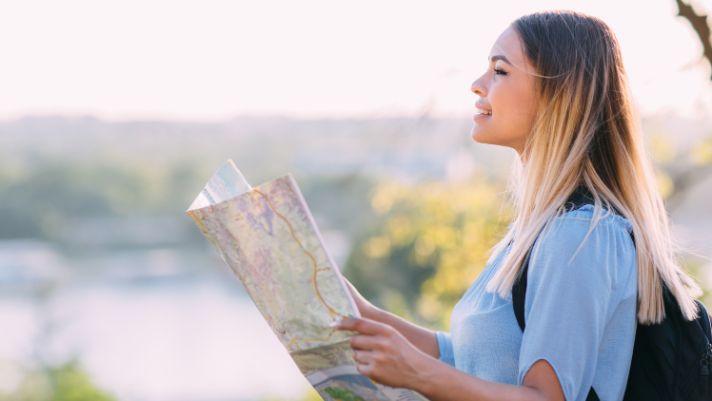
Stay Aware and Alert: Your first line of defense while traveling is awareness. Pay attention to your surroundings in busy areas like markets, squares, transit stations, and tourist attractions. Keeping your head up and moving with purpose not only helps you navigate well but also signals to opportunistic thieves that you are alert.
Protect Your Belongings: Pickpocketing is one of the most common crimes against travelers in crowded areas around the world. Use bags that close securely and carry them in front of you in busy areas. Avoid storing your phone or wallet in back pockets. If someone bumps into you or creates a distraction, immediately secure your belongings.
Know Common Scams: Scammers often target friendly, unsuspecting travelers. A classic is the distraction scam where someone spills something on you, offers help, and an accomplice takes your items. Another common trick involves someone telling you a famous attraction is closed and guiding you to a shop or service that benefits them. Trust your instincts. If something feels off, politely decline and move on.
Blend in with Local Culture: Try to dress in a way that respects local norms and avoids flashy items like expensive jewelry or a lot of cash. Carry only what you need for the day and leave your passport and backups in a secure place. Looking confident and comfortable will help you enjoy your surroundings without drawing unwanted attention.
Choose Safe Transportation: Use official and reputable taxis or rideshares. If you use rideshare apps, verify the car’s license plate and the driver’s name before you get in. Share your trip with someone you trust and wear your seatbelt. If you rent bikes or scooters, use helmets and obey local traffic rules. Traffic accidents are a leading cause of injury for travelers, so always be alert when crossing streets or driving.
2. Health and Medical Safety
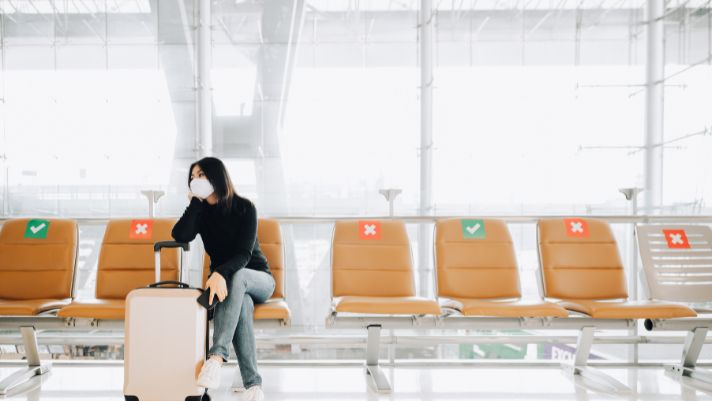
Vaccines and Pre-trip Health Prep: Before you travel, research recommended vaccines for your destination from trusted sources like the CDC or World Health Organization. Some countries require proof of vaccines like yellow fever for entry. It is best to visit a travel health clinic at least four to eight weeks before departure because some vaccines take time to become effective. In 2026, most COVID-19 travel restrictions are lifted, but check ahead of time for any remaining requirements.
Pack a Personal Medical Kit: Bring a basic kit with bandages, pain relievers, digestive remedies, and your prescription medications. Keep prescriptions in original labeled bottles and have a copy of the prescription or a doctor’s note. Place all medicine in your carry-on so you have it even if checked luggage is delayed.
Travel Insurance is Essential: Standard health insurance plans, including Medicare, often provide limited or no international coverage. Purchasing travel health insurance that includes emergency medical care and evacuation offers peace of mind. Review your policy carefully and save the insurer’s 24-hour emergency number in your phone.
Monitor Health Alerts: Health risks can change quickly. Dengue, Zika, and other mosquito-borne illnesses are active in parts of the Caribbean, Latin America, and Southeast Asia. Use insect repellent, cover up when needed, and stay informed via official health alert systems.
Stay Hydrated and Eat Smart: Drink safe water and use bottled water if tap water is questionable. Choose eateries that are busy and avoid street food that was not cooked in front of you. Stay hydrated, rest well, and protect yourself from the sun with sunscreen, hats, and breaks in the shade.
Know How to Get Help Abroad: Research the local emergency phone numbers for police, fire, and medical services. These differ by country. Know where the nearest hospital or clinic is located relative to your accommodation. Your U.S. embassy or consulate can provide lists of English-speaking medical facilities.
3. Digital and Data Safety
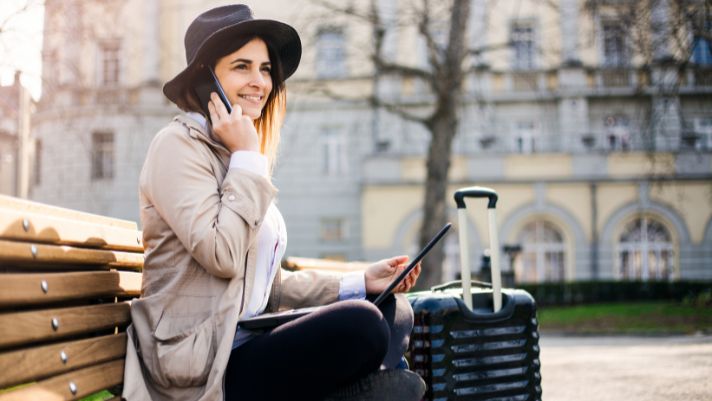
Protect Your Devices Physically and Digitally: Do not leave phones or laptops unattended. Use strong passcodes or biometrics and enable device tracking features so you can locate or wipe a lost device. Back up important data before your trip.
Avoid Public USB Charging Ports: Hackers have used public USB stations to steal data. Use your own charger plugged into a power outlet or carry a USB data blocker to protect your device.
Use Secure Wi-Fi Practices: Public Wi-Fi at airports, cafes, and hotels is often not secure. Avoid banking or sensitive transactions on public networks. Consider using your cellular connection or a VPN app that encrypts your internet traffic.
Lock Down Your Accounts: Use unique passwords and enable two-factor authentication on important accounts. A password manager can help you maintain secure logins.
Share Mindfully on Social Media: Avoid posting real-time details of your travel plans or location. This helps protect your privacy and reduce the risk of theft.
4. Travel Documents and Emergency Preparedness
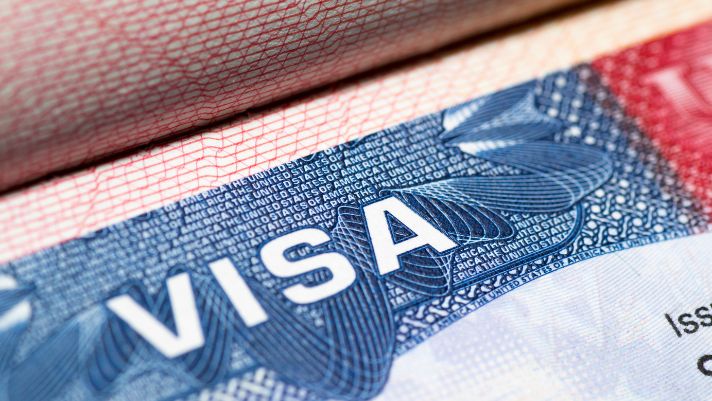
Make Safe Copies of Documents: Scan or photocopy your passport, travel insurance, credit cards, and other essential documents. Keep one set separate from the originals in your luggage and another set with someone you trust at home. Save secure copies in cloud storage.
Carry Essential Contact Information: Have the contact details and addresses of the nearest embassy or consulate in your phone and on paper. Also list emergency contacts from home and numbers for your credit card companies in case you need to report stolen or lost cards.
Enroll in Government Travel Programs: If you are a U.S. traveler, enrolling in the Smart Traveler Enrollment Program (STEP) connects you to updated safety alerts and assistance options from the embassy. Other countries offer similar services, so sign up if available to you.
Prepare for the Unexpected: Consider possible challenges like lost passports, stolen electronics, or natural events. Know how to contact your embassy, cancel credit cards, and connect with local authorities. Agree on meeting spots with your travel companions in case you get separated.
Stay Informed on Local News: Monitor local news and alerts during your trip. If there are protests, strikes, or natural events, follow official instructions and avoid affected areas.
5. Accommodations and Local Transit Safety

Choose Safe Lodging: Check recent reviews for neighborhood safety. Request rooms on higher floors away from stairwells or exits. When you arrive, test the door locks, and use all security features provided.
Use In-Room Safes Wisely: Store passports, extra cash, and small valuables in in-room safes. If possible, use the hotel’s main safe service for truly irreplaceable items.
Stay Alert with Local Transportation: Research local transit safety before you go. If you use taxis, rideshare apps, or airport shuttles, use official options and avoid unmarked vehicles. Sit in the back seat, check the route on your map, and share trip details with someone you trust.
Be Cautious on Public Transit: Public buses and trains can be efficient, but pickpockets often strike when travelers are boarding or exiting. Keep bags secured and in front of you, especially in crowded cars or stations.
Ride Smart on Local Modes of Transport: If you use informal transit options like tuk-tuks or motorcycle taxis, agree on fare and safety gear in advance. Always wear helmets or life jackets if provided and practical.
Final Thoughts
Travel safety is about preparation and awareness, not fear. With a strong plan, careful habits, and informed choices, you will dramatically reduce the chance of incidents and enjoy every part of your trip. Most travelers explore the world without issues, and by using these tips you can feel confident and secure in your adventures
If you want extra peace of mind, consider working with a Personal Travel Advisor. They can help you plan safer itineraries, recommend trusted suppliers, assist with travel insurance, and share destination-specific tips to help you feel more prepared. With their knowledge and support, you are never navigating your trip alone.
Want to travel with confidence in 2026? A Personal Travel Advisor can help you prepare with destination-specific advice, safety tips, and planning support. Let us help you stay protected while focusing on the adventure ahead.


- Save favorite vacations & searches
- Early access to promotions
- Exclusive deals, discounts & prices
- Plus more!